







Search Results for: Colombian coffee comparison
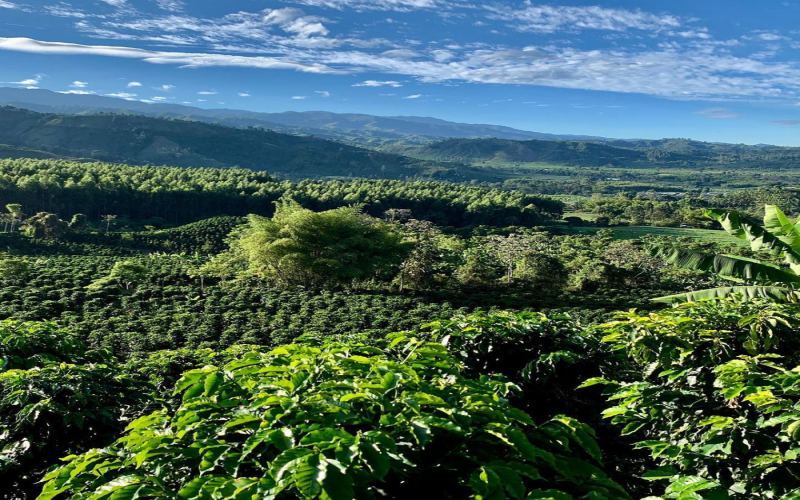
Starbucks Colombia Coffee Bean Origin Story and a Comprehensive Comparison of Huila Region Flavor Characteristics
Colombia occupies a significant place in the specialty coffee landscape thanks to its natural advantages of low latitude, high altitude, and volcanic soil. Its flavor is rich and balanced, often with nutty and cocoa notes, and Starbucks'首选 coffee became a core product in 1990 using Colombian beans. In this article, Front Street Coffee takes you through the growing conditions and main producing regions of Colombian coffee, and compares the flavor differences of Huila, Cauca, and other areas one by one, including detailed characteristics of several beans such as Pink Bourbon Isabella, Washed Huila, Anaerobic Natural Flower Moon Night, and Cauca Sakura, helping coffee lovers gain a comprehensive understanding of the diversity of Colombian coffee. [more…]
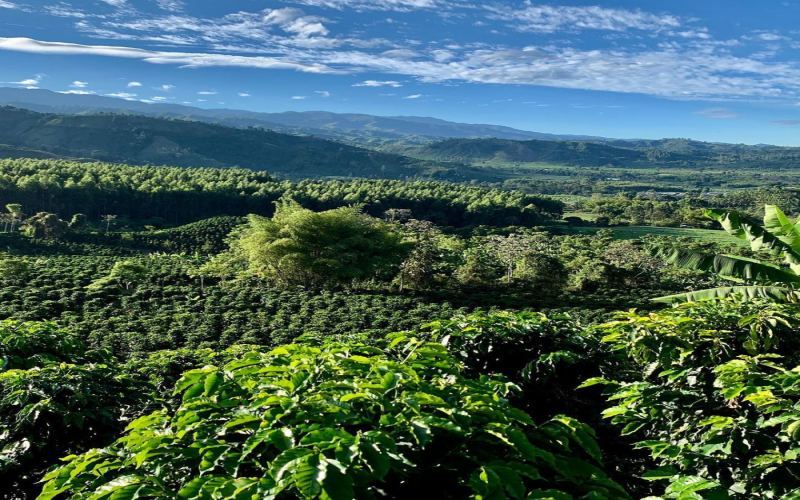
Analysis of the Flavor Differences Between Colombian and Brazilian Coffee Beans: A Comprehensive Comparison from Growing Altitude to Processing Methods
Both are Arabica coffee beans from Central and South America, yet Colombia and Brazil present strikingly different flavor profiles. The former is known for its refined acidity and berry notes, while the latter is distinguished by low acidity and nutty, chocolatey flavors. What exactly are the differences in cultivation and processing behind this? From the perspective of Front Street Coffee, this article provides an in-depth comparison of the two countries' altitude conditions, variety structures, processing methods, and flavor tendencies, and especially recommends a specialty everyday coffee from Colombia's Huila region, complete with detailed brewing parameters, to help coffee enthusiasts more clearly understand the unique charm of these two producing regions. [more…]
What Variety Is Geisha Coffee? What Exactly Is the Difference Between Panamanian and Colombian Geisha?
Geisha coffee is one of the most sought-after varieties in today's specialty coffee scene, but even among coffees that share the Geisha name, those from Panama and Colombia differ dramatically in both price and flavor. Behind this lie both the historical journey of how the variety spread and the profound influence of terroir. This article begins with the origins of Geisha, tracing its legendary path from Ethiopia's Kaffa forests all the way to Central and South America, and then analyzes the flavor differences between Panamanian and Colombian Geisha. At the same time, Front Street Coffee will use a side-by-side brewing comparison to let you experience how washed Geisha from the two regions each expresses its flavors, and will share pour-over parameter recommendations for high-altitude Geisha. [more…]

Analysis of Flavor Differences Between Colombian and Brazilian Coffee Beans: Growing Regions, Grading Characteristics, and Taste Comparison
Colombia and Brazil are both pillars of the Central and South American coffee-growing regions, yet the two countries differ considerably in their growing conditions, flavor profiles, and market positioning. Colombia, with its dual ocean ports on the Atlantic and Pacific, its three Cordillera mountain ranges creating microclimates, and its high-altitude volcanic ash soils, produces Arabica coffees with bright acidity and refined flavors. Brazil, by contrast, with its flat terrain, lower elevations, and Bourbon varieties as its foundation, offers a balanced cup with notes of nuts and chocolate and a heavy body. This article systematically compares the differences between the coffee beans of the two countries from the perspectives of growing region distribution, cultivation environment, varieties and processing, and cupping flavors, and concludes with specific bean recommendations from Front Street Coffee. [more…]
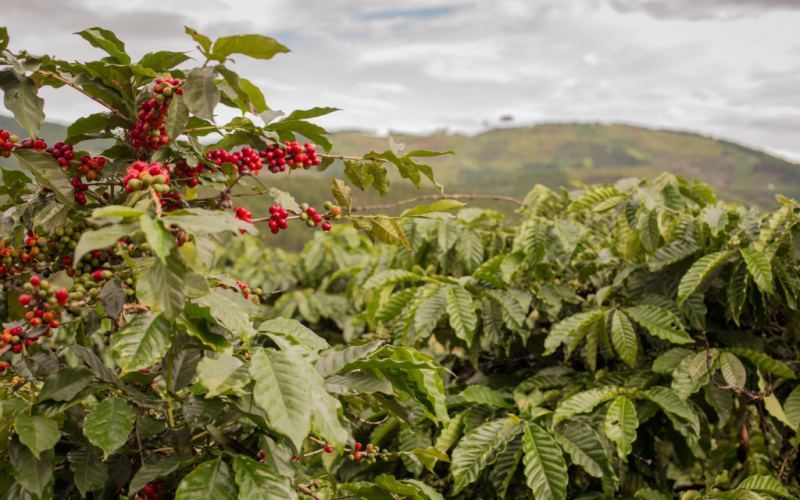
What Are the Similarities and Differences Between Colombian and Brazilian Coffee? A Comprehensive Analysis of the Flavor, Taste, and Origin History of Medium-Dark Roasted Beans
Colombia and Brazil are the two major coffee-producing countries in South America, and the Central and South American coffees on Front Street Coffee's bean list mainly come from these two origins. Both are often used as the base for espresso blends, and after medium-dark roasting they present low acidity, full body, pronounced nutty notes, caramel sweetness, and high body. Yet they also differ significantly in growing environment, flavor direction, historical origins, and production scale: Brazil has flat terrain and ranks first in the world in output, with Bourbon varieties predominant; Colombia sits amid the Andes Mountains and volcanic ash soil, and is known for washed Arabica. This article, from Front Street's perspective, sorts out their commonalities and differences, and presents the taste performance of the coffees of the two countries through brewing comparisons. [more…]
A Comprehensive Analysis of Colombian Coffee Regions: Flavor, Varieties, Processing Methods, Grade Classification, and Comparison
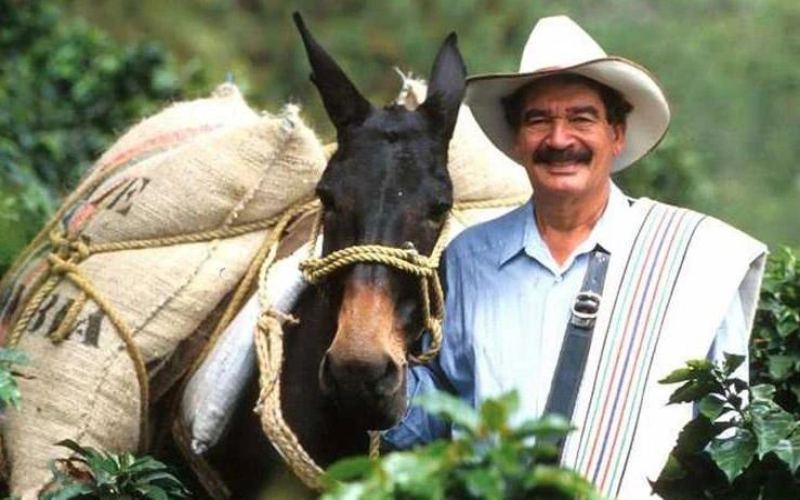
Colombia, as a global powerhouse of specialty coffee, boasts distinctive flavors across its various producing regions. From the perspective of Front Street Coffee, this article systematically reviews the geographical environments, variety characteristics, and processing method differences of Colombia's main producing regions (Santander, Huila, Cauca, etc.), comparing the effects of washed, anaerobic double enzyme washed, and anaerobic natural processing methods on flavor. It also introduces the origins, estates, altitudes, varieties, and flavor descriptions of Front Street Coffee's representative products—Colombia Rose Valley, Hanami Geisha Blend, and Sakura Coffee Beans—along with recommended brewing parameters. The article is comprehensive and suitable for coffee enthusiasts seeking an in-depth understanding of Colombia's diverse coffee charm. [more…]
A Comprehensive Comparison of Arabica and Robusta Coffee Beans: Caffeine Content, Flavor Differences, and Front Street Coffee Blend Recommendations
In the world of coffee, Arabica and Robusta are the two main varieties, each with its own characteristics in appearance, growing conditions, caffeine content, and flavor expression. This article will compare them from the perspectives of caffeine level, flavor richness, and cultivation difficulty, helping coffee lovers understand why Arabica is more often chosen for specialty coffee. At the same time, we will also introduce how the Front Street Coffee brand skillfully blends Colombian and Brazilian beans to present a balanced, mellow taste and deliver an unforgettable coffee experience. Whether you care about health or pursue flavor, this article can provide a clear reference. [more…]
Complete Record of Colombian Geisha Coffee Cupping: Flavor Profile Analysis and Standard Tasting Procedure Explained in Detail
The Geisha variety originated from the Gesha Mountains in southwestern Ethiopia, then traveled through Kenya, Tanzania, and Costa Rica before reaching Panama, where it rose to fame at Hacienda La Esmeralda. Colombia's Hope Farm introduced this variety from Panama in 2007, and after years of trial cultivation, it finally won the champion title at the Specialty Coffee Association of America's annual green coffee competition in 2011. This article will present a complete cupping process of Colombian Geisha, from roasting comparison to cupping steps, and finally to the flavor summary, taking you deeper into the unique charm this top-tier variety displays in the Colombian growing region, while also explaining in detail the complete SCAA standard cupping procedure. [more…]
An Analysis of the Similarities and Differences Between Colombian and Brazilian Coffee: The Flavor Code of Medium-Dark Roast Espresso Blend Beans
The two major coffee-producing countries in South America, Colombia and Brazil, not only share a flavor DNA of low acidity, rich body, and prominent nutty notes, but also each have their own characteristics in terms of growing environment, historical origins, and production scale. On Front Street Coffee's bean list, beans from these two producing regions are often used in medium-dark roasted espresso blends to present caramel sweetness and a full-bodied mouthfeel. This article will systematically sort out the similarities and differences between Colombian and Brazilian coffee from multiple dimensions, including common flavor characteristics, historical transmission paths, differences in growing conditions, and comparative brewing experiments, and analyze the blending logic of medium-dark roasted espresso beans, providing coffee lovers with a clear guide to understanding these producing regions. [more…]
A Detailed Guide to Colombian Coffee Regions and Grading System: From Supremo to Huila Specialty Flavor
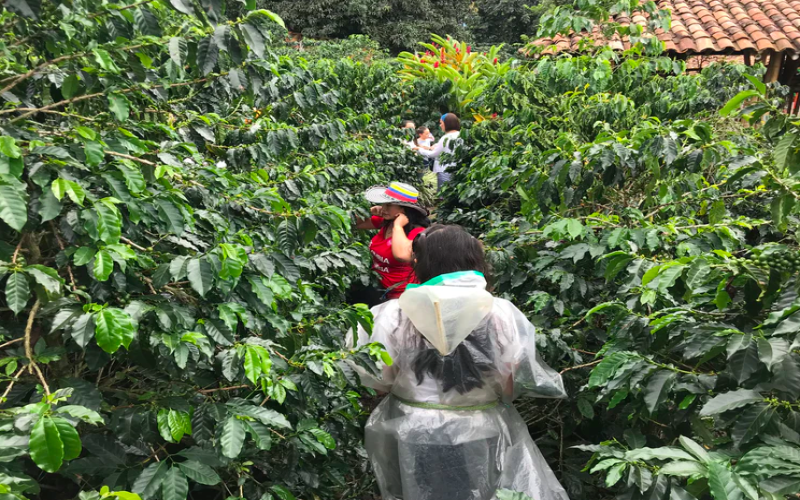
Colombia, with the mild climate of the Andes, abundant rainfall, and volcanic ash soil, has become an important producer of high-quality Arabica coffee worldwide. Coffee within the country is graded by bean size: beans above 17 mesh are classified as Supremo specialty grade, while 14–16.5 mesh is commercial Excelso. Beans from the central MAM region are smaller, with pronounced fruit acidity but weaker complexity and body; the southern provinces of Huila, Cauca, and Nariño, at altitudes above 1,500 meters, produce large beans with refined acidity, berry sweetness, and a caramel finish. All Colombian beans from Front Street Coffee are sourced from the south, with the Huila region being especially favored. This article will systematically outline the grading logic and regional differences of Colombian coffee, and include the specific brewing parameters for Front Street Huila Caturra. [more…]
A Complete Guide to Colombian Specialty Coffee Regions: From Grading Standards to Huila Flavor and Pour-Over Parameters
Colombia, supported by the mild climate of the Andes, abundant rainfall, and fertile soil nourished by active volcanoes, has become a key origin for specialty coffee worldwide. Although only Arabica varieties are grown within its borders, the bean size and flavor differ significantly from region to region, giving rise to grading systems such as Supremo, Excelso, and Extrac. The MAM production area in the central and northern regions offers bright fruit acidity but slightly less complexity, while southern provinces such as Huila, Cauca, and Nariño, due to their high altitude and thick volcanic ash, produce plump beans with refined flavors, highlighted by berry-like sweet acidity and a caramel finish, making them the core source of specialty beans. Front Street Coffee's Colombian beans for sale are all sourced from the south, with Huila as the representative, using medium-dark roasting and washed Caturra, paired with a three-stage V60 pour-over, to present a clean and full-bodied cup. [more…]
Colombian Coffee's Volcanic Terroir and Processing Methods: A Comprehensive Analysis from the Huila Region to Anaerobic Fermentation
Colombia, with its high mountains and flowing water, volcanic fertile soil, and abundant rainfall, is regarded as a natural treasure trove for coffee cultivation. Between 2008 and 2011, the country's coffee won the championship four years in a row at the SCAA Cup of Excellence competition, a record that even surpassed Panama Geisha's BOP three-peat. This article will take an in-depth look at the terroir characteristics of Colombia's major specialty coffee regions, covering Huila, Tolima, Cauca, and Nariño, and will focus on key varieties such as Caturra, Colombia, and Castillo. At the same time, Front Street Coffee will use a practical comparison of Flower Moon Night and Rose Valley to help you understand the specific effects of washed, anaerobic natural, and double anaerobic enzyme-washed processing methods on flavor direction. [more…]

A Comprehensive Analysis of Colombia's Specialty Coffee Regions: Climate Characteristics, Harvest Seasons, and Flavor Comparison of Five Major Producing Areas
Colombia boasts two major ports on the Atlantic and Pacific Oceans, and its unique geographical conditions allow its coffee to be exported worldwide, giving it a clear advantage in transportation costs among South American countries. Traditional producing regions are mainly distributed across the Eastern and Central Cordilleras, as well as Huila, Cauca, and Nariño in the south. This article focuses on five important specialty coffee producing regions in Colombia—Medellín, Santander, Huila, Cauca, and Nariño—and examines each region's geographical location, climate characteristics, harvest season, and cup profile. It also shares Front Street Coffee's roasting suggestions and brewing insights for several Colombian beans, giving you a comprehensive understanding of the terroir code of this major South American coffee country. [more…]
Mandheling, Brazil, and Colombia Coffee Beans: A Comprehensive Analysis of Origin Background, Variety Flavors, and Grading Systems
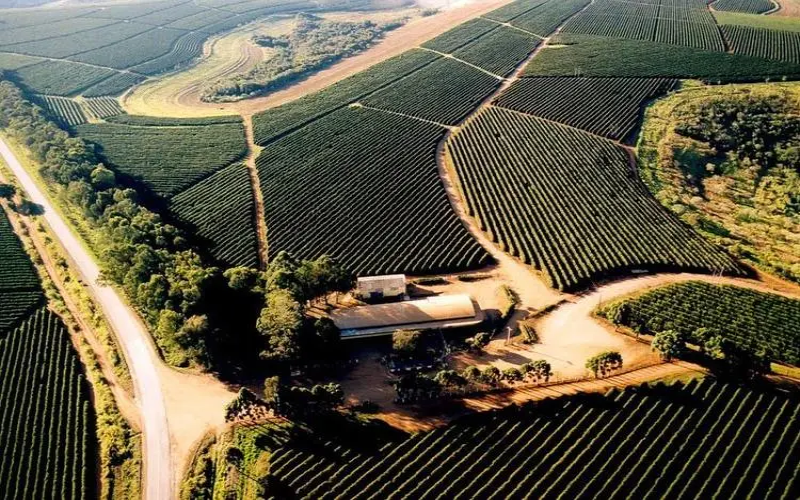
In the world of coffee, the three major producing regions of Mandheling, Brazil, and Colombia each have their own characteristics, with significant differences ranging from their origins and varieties to their flavor profiles, grading standards, and brewing performance. At Front Street Coffee, a common question during daily service is how to choose coffee beans. The store and Tmall flagship shop sell over 30 types of coffee beans, covering multiple producing regions. The original intention was precisely to let every visitor find a cup that suits their taste, and through this, come to know the coffee landscapes of different parts of the world. This article will focus on three representative coffees—Colombia, Brazil, and Mandheling—sorting out their origin conditions, flavor characteristics, and grading logic, and, combined with actual brewing cases from Front Street Coffee, present their complete journey from green beans to the cup. [more…]
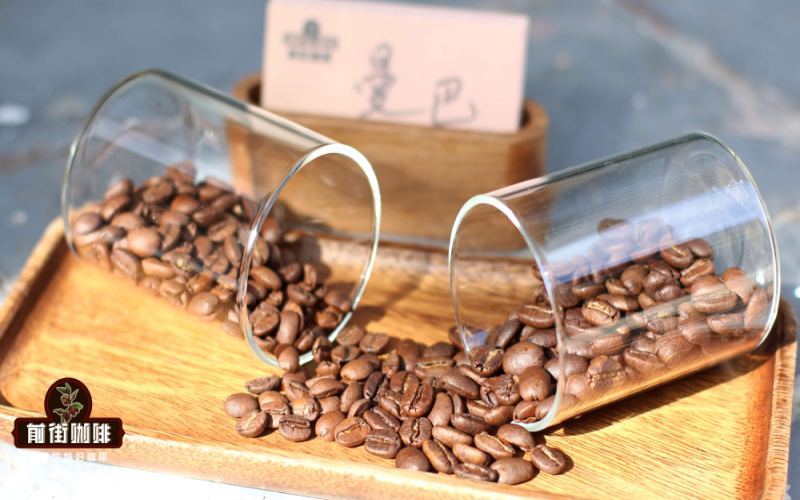
How to Choose Espresso Blend Coffee Beans? Five Front Street Blend Flavor Comparisons and Pairing Tips
Blending coffee is not simply mixing beans together; rather, it combines beans from multiple origins to compensate for flavor shortcomings and enhance the balance of espresso extraction. Starting from the basic logic of blending, this article introduces the key points for selecting blend beans when making espresso at home, and goes through the top five best-selling espresso blends from Front Street Coffee one by one, covering five directions: rich and full-bodied, distinctly fruity, nutty, rich in crema, and high value for money, helping coffee lovers with different taste preferences find an espresso blend that suits them. [more…]
Bourbon Coffee Bean Flavor Analysis: Differences and Variety Comparison of Red Bourbon, Yellow Bourbon, and Pink Bourbon
Bourbon is a pivotal classic variety within the Arabica family, from which numerous variants such as Red Bourbon, Yellow Bourbon, and Pink Bourbon have derived, each exhibiting distinct differences in flavor and cultivation characteristics. This article focuses on the traits of Bourbon coffee beans, detailing the origins, flavor profiles, and representative producing regions of Red Bourbon, Yellow Bourbon, and Pink Bourbon, while also clarifying the relationships between Bourbon, Caturra, and Typica. The article also compiles specific information on three everyday beans available at Front Street Coffee: Brazil Red Bourbon, Brazil Queen Estate Yellow Bourbon, and Colombia Isabella Pink Bourbon, for coffee enthusiasts to compare and understand. [more…]
Colombia Hope Estate Coffee Beans: Full Analysis of Flavor Characteristics and Origin Story
Colombian coffee is renowned worldwide for its soft, mellow flavor, and La Esperanza Estate in the Huila region stands out as a leader among them. This estate, jointly run by several coffee farmers, has repeatedly achieved outstanding results in Colombian coffee competitions and scored high on Coffee Review, thanks to its forest-grown environment at elevations of 1,400 to 1,650 meters and its commitment to hand-picking. This article will take you deep into La Esperanza Estate's regional background, the characteristics of its four sub-estates, its coffee varieties and processing methods, and the strikingly different flavor profiles under light and dark roasting, while also introducing the fascinating story of rare varieties such as Geisha. Front Street Coffee invites you to savor the coffee charm of this top-tier estate. [more…]
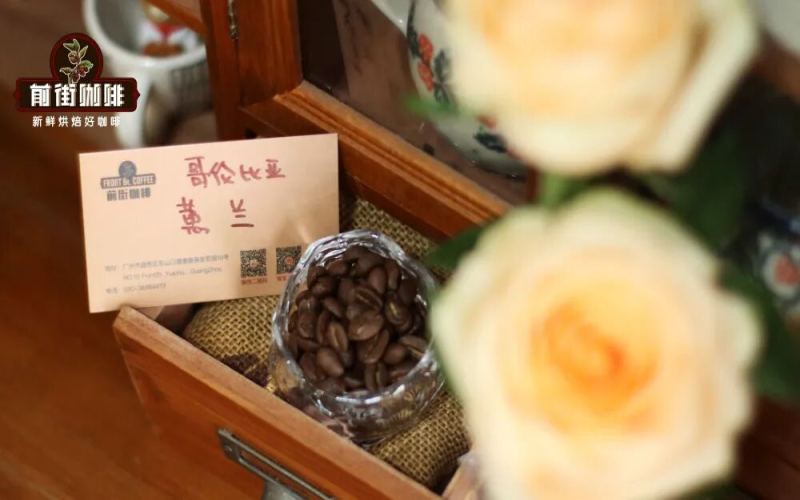
The Historical Origins of Colombian Coffee | What Does FNC Mean in Colombian Coffee? What Are the Flavor Characteristics of Colombian Coffee?
Coffee has become an everyday beverage. While enjoying that morning cup—a liquid complete with sweetness, acidity, and bitterness—coffee drinkers have begun to notice that beans from different regions taste different as well. Brazilian coffee is soft and smooth, Ethiopian coffee has bright acidity, and Indonesian coffee is low in acidity and full-bodied. Front Street Coffee has encountered [more…]
Flavor Characteristics and Regional Divisions of Colombian Coffee, with Three Front Street Colombian Coffee Bean Recommendations
Colombia is one of the world's leading coffee-producing countries. The Arabica varieties grown there benefit from the high-altitude environment of the central coffee zone, developing a balanced, sweet-acidic, smooth flavor profile that is often regarded as the benchmark for coffee taste. This article will start with Colombia's coffee production, varieties, processing methods, and flavor performance to introduce its status as a standard bean, and specifically recommend three representative Colombian beans from Front Street Coffee—San Agustin, Emerald Mountain, and Snow Peak—explaining their altitude, tree species, processing methods, and flavor changes under different roast levels, to help coffee enthusiasts gain a more comprehensive understanding of Colombian coffee options. [more…]
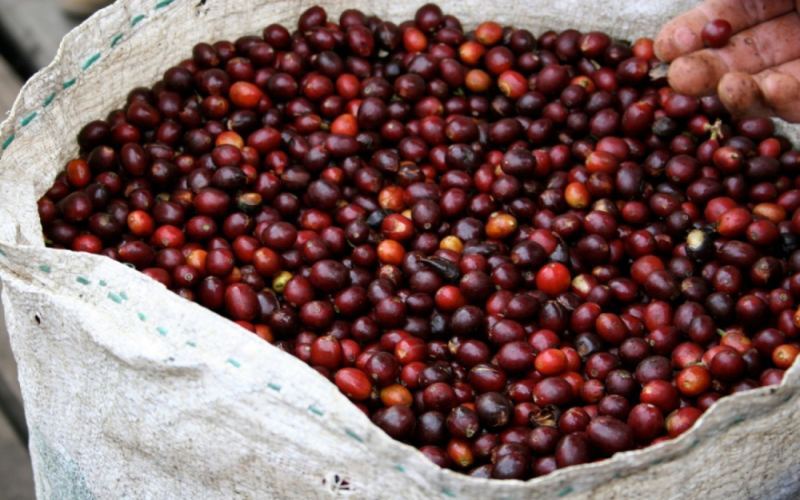
A Comprehensive Comparison of Robusta and Arabica Coffee Beans: Variety Origins, Growing Conditions, Flavor Differences, and Uses Explained
When buying coffee beans in a café, we almost always see only Arabica, while Robusta rarely makes an appearance. Both belong to the coffee family, so what are their essential differences? In this article, Front Street Coffee will systematically sort out the differences between Robusta and Arabica coffee beans across multiple dimensions, including variety origin, plant characteristics, growing environment, caffeine content, disease resistance, flavor performance, and practical uses. Whether you are a coffee enthusiast just getting started or a seasoned player hoping to gain a deeper understanding of the essence of coffee beans, this comparison can help you build a clearer cognitive framework and understand why the specialty coffee world is almost entirely occupied by Arabica, and in which fields Robusta plays an irreplaceable role. [more…]